Botox for Teeth Grinding
Botox for teeth grinding and jaw clenching is designed to reduce jaw muscle load, masseter pain, excessive contraction and teeth grinding. Precise treatment in the chewin
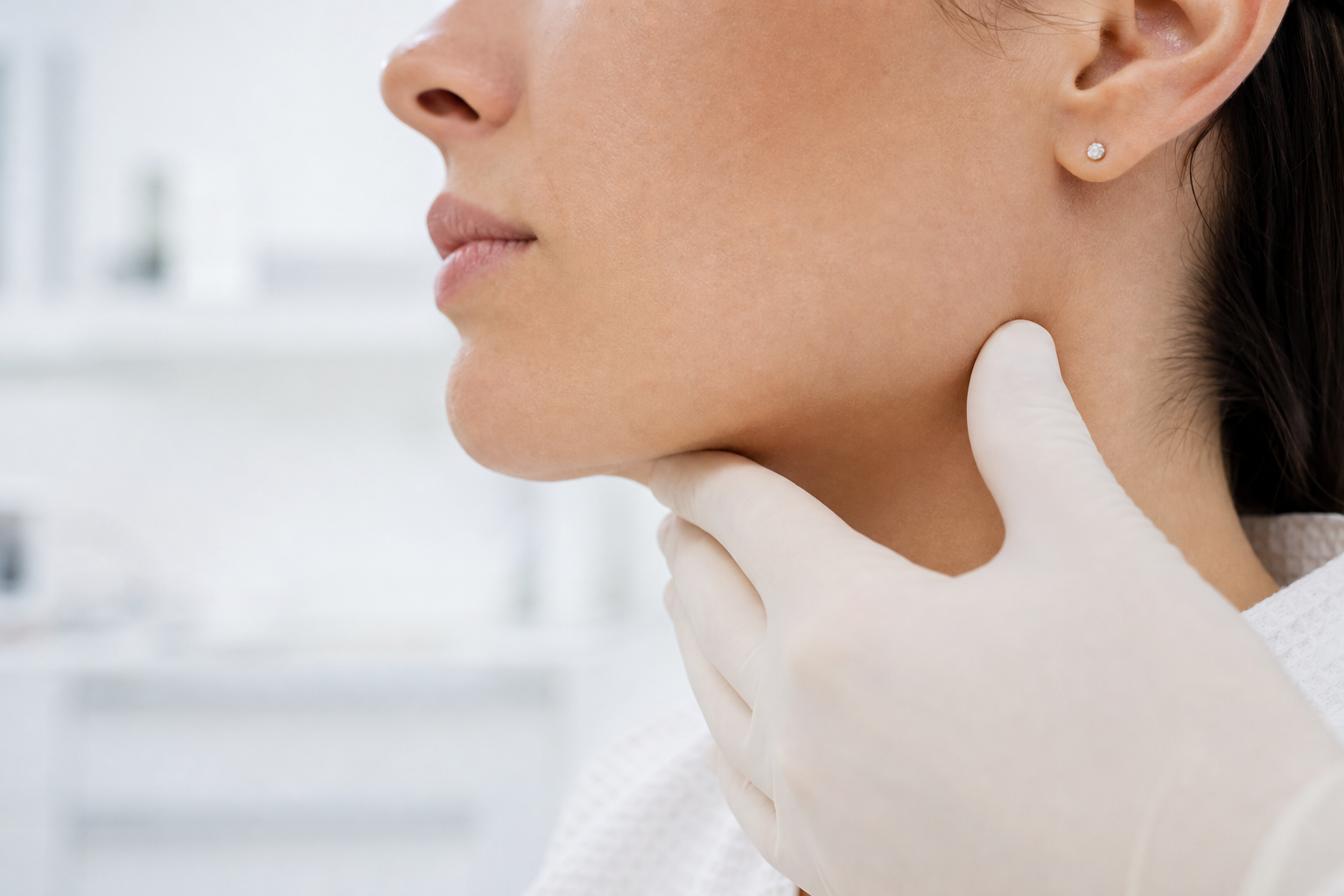
Botox for Teeth Grinding
Teeth grinding, bruxism and jaw clenching are very common conditions, and sometimes they occur without the patient being aware of them. Some people clench the jaw during concentration, work or stress. Others grind teeth at night and wake with jaw pain, temple pressure, facial muscle fatigue or headaches.
When chewing muscles work at high intensity over time, load builds on the teeth, jaw joints and facial muscles. In some cases enlargement of the masseter, the main muscle at the sides of the jaw, can also be seen, which may create a wider, squarer or more tense jaw look.
Botox for teeth grinding is a precise medical treatment aimed at temporarily and in a controlled manner relaxing overactive chewing muscles, reducing contraction intensity, easing jaw load and pain, and sometimes also softening the appearance of the lower third of the face. The treatment does not replace a dental exam, night guard or investigation of the source of the problem, but can fit as part of a tailored plan when the main source is muscle load.
What is teeth grinding?
Teeth grinding, or bruxism, is a condition in which a person clenches, grinds or rubs the teeth together. It can occur while awake or during sleep. While awake it is often related to stress, concentration, oral habits or emotional load. During sleep it can be related to involuntary chewing-muscle activity and sometimes sleep disorders. Mayo Clinic notes that bruxism can occur day or night, and in significant cases may cause jaw pain, headaches, tooth damage and other problems. (Mayo Clinic)
Common signs include:
Nighttime teeth grinding. Jaw clenching while awake. Morning jaw pain. Fatigue or tightness in chewing muscles. Headaches in the temple area. Tooth sensitivity. Wear, cracks or fractures in teeth. Difficulty opening the mouth freely. Clicking or pain in the temporomandibular joint area. A wide jaw look or prominent masseter muscles.
What is Botox for teeth grinding?
Botox for teeth grinding is an injection treatment with type A botulinum toxin into the chewing muscles, usually the masseter, and sometimes the temporalis muscles in the temple area, according to assessment.
Botox temporarily reduces muscle contraction intensity. When the muscle contracts less forcefully, load on the jaw and teeth may decrease, chewing-muscle pressure may improve, and headaches or temporomandibular joint pain may sometimes lessen.
It is important to understand: Botox does not “repair” worn teeth, does not physically protect teeth like a night guard, and does not treat all possible causes of bruxism. It is mainly intended to reduce muscle activity intensity when chewing muscles are overactive.
A 2024 systematic review on botulinum toxin for sleep bruxism found that treatment may reduce pain and improve jaw function in some patients, but emphasized that findings are still preliminary, with variation between studies and a need for further research. (MDPI)
Who may be suitable for Botox for teeth grinding?
The treatment is suitable for women and men who suffer from clenching, chewing-muscle load or teeth grinding accompanied by pain, tension or overactivity of the masseter.
The treatment may be suitable in cases of:
Jaw clenching while awake. Nighttime teeth grinding. Pain in jaw muscles. Headaches in the temple area. Morning jaw fatigue or tightness. Strong, prominent or enlarged masseters. A sense of pressure at the sides of the face. Teeth grinding accompanied by muscle load. Pain around the temporomandibular joint, after appropriate investigation. A wish to reduce jaw muscle load without surgery.
When there is significant tooth wear, fractures, cracks, tooth pain or temporomandibular disc problems, dental follow-up is required. When sleep disorder, sleep apnea or complex joint pain is suspected, further investigation may be needed before treatment.
How does Botox for teeth grinding differ from a night guard?
This is one of the most important explanations on the page.
A night guard creates separation between the teeth and helps protect them from continued wear, cracks and fractures. It does not always reduce muscle activity itself, but it is very important when there is risk of dental damage.
Botox does not physically protect the teeth. It reduces chewing-muscle contraction intensity, and can therefore help when there is muscle load, pain, strong masseters or significant clenching.
Mayo Clinic notes that splints and mouth guards can prevent or reduce tooth damage, but do not necessarily stop bruxism itself; regarding Botox, it notes that injections can help some people with severe bruxism who have not improved with other treatments. (Mayo Clinic)
In many cases the right solution is not “either guard or Botox,” but the correct combination: a night guard for dental protection and Botox to reduce muscle load, according to assessment.
How is Botox for teeth grinding performed?
Treatment is performed after assessment of chewing muscles, jaw movement, contraction intensity and symptoms.
Assessment of jaw muscle load
In the first stage, masseter muscles at the sides of the jaw and sometimes temple muscles are examined. Assessment includes palpation of the muscles, pain evaluation, symmetry, muscle thickness, jaw movement, mouth opening, tooth clenching and reports of pain or wear.
Signs that the problem is not muscular alone are also checked: localized tooth pain, cracks, significant wear, temporomandibular joint problems, sleep disorders or medication use that may affect the condition.
Mapping the chewing muscles
After assessment, injection points are mapped. In most cases treatment focuses on the masseter, one of the main muscles responsible for jaw closure and tooth clenching.
In some cases, when there are temple headaches or significant temporalis activity, treatment in that area may also be considered.
Personalized dosing
The dose is set according to muscle strength, pain level, facial structure, degree of clenching, symmetry between sides and whether this is initial or maintenance treatment.
In this treatment it is important not to weaken the muscle beyond what is needed. The goal is to reduce load and pain while preserving natural chewing ability, normal function and balanced appearance.
Precise injection into the masseter
Injection is performed with a fine needle into pre-selected points. The procedure is relatively short and usually does not require significant downtime.
Return to routine and follow-up
After treatment you can usually return to routine. The effect is not immediate and develops gradually. If needed, a review is performed after the result stabilizes to check muscle response, symmetry and need for future adjustment.
Why have Botox for teeth grinding at Dr. Moshe Rosen’s clinic?
Botox for teeth grinding is a functional treatment, but it is performed in an area that greatly affects facial appearance. Masseter muscles define part of the lower facial frame, so precise treatment must consider both function and aesthetics.
At Dr. Moshe Rosen’s clinic, the emphasis is on muscular and anatomical assessment, personalized dosing and preserving a natural result, without excessive jaw weakening or unwanted facial change.
The clinic emphasis is on:
Assessment of masseter, temporalis and jaw movement. Distinguishing dental wear from muscle load. Dose tailored to muscle strength, not a fixed template. Preserving natural chewing and function. Reducing muscle load without creating excessive weakness. Attention to symmetry between both sides of the jaw. Combining medical goal with lower-third aesthetics. Clear explanation of treatment limits and need for dental follow-up when appropriate. Medical follow-up and review according to muscle response.
The goal is not to “change the face,” but to reduce load, calm an overactive muscle and restore comfort and control in the jaw area.
Who is less suitable?
The treatment is less suitable or requires special caution in cases of:
Teeth grinding without significant signs of muscle load. Active dental problems that have not been examined. Tooth pain from an unclear source. Complex temporomandibular joint disorder without diagnosis. Suspected sleep apnea or significant sleep disorder. Existing chewing-muscle weakness. Pregnancy or breastfeeding. Infection, inflammation or wound in the injection area. Certain neuromuscular conditions. Expectation of complete cessation of teeth grinding without treating background factors.
In every case, medical evaluation is required before treatment.
Medical responsibility and transparency
The information on this site is intended as an initial introduction to aesthetic and medical treatment options and does not replace personal medical consultation, dental diagnosis, dentist examination or individual guidance from the clinic team.
Before any treatment, a professional suitability assessment is required according to medical condition, tooth status, jaw movement, chewing-muscle strength, patient expectations and the physician’s evaluation.
In cases of significant wear, tooth pain, suspected sleep disorder, sleep apnea, temporomandibular joint pain or dental damage, further investigation or collaboration with a dentist or appropriate specialist may be needed.
When will I see results?
Botox effect is not immediate. Change is usually felt after several days, as muscle contraction gradually weakens. The result typically stabilizes within one to two weeks.
How long do results last?
Duration varies from patient to patient. The existing site notes that Botox results last about three months on average, depending on treatment area and muscle strength. (Dr. Moshe Rosen)
Does the treatment stop teeth grinding completely?
Not necessarily. It is important to avoid such a promise.
Does Botox for teeth grinding replace a dentist?
No. This is a very important message on the page.
Does the treatment hurt?
Discomfort is usually low. It is a brief injection with a fine needle. Mild localized pain, pressure or tenderness in the masseter area may occur after treatment, but significant recovery time is usually not needed.
Can I return to routine immediately?
Yes. You can usually return to routine after treatment. Mild redness, localized swelling, tenderness or a small bruise may occur. Post-treatment instructions are given individually according to area, dose and expected response.
Can it be combined with other treatments?
Yes. Botox for teeth grinding can be combined with additional Botox treatments such as forehead, frown, crow’s feet, chin or gummy smile, according to assessment and total dose planning.
Does Botox help teeth grinding?
Yes, in cases where teeth grinding is related to significant muscle load or strong clenching. Botox reduces chewing-muscle contraction intensity and can therefore ease jaw pain, load, tightness and headaches related to chewing muscles.
Does the treatment replace a night guard?
No. A night guard physically protects teeth from wear. Botox reduces muscle load. In many cases they complement each other, but the decision is made according to tooth condition, muscle strength and physician recommendation.
Where is Botox injected?
In most cases injection is into the masseter, located at the sides of the jaw and responsible for jaw closure and clenching. In some cases treatment of temporalis muscles in the temple area may also be considered.
Will chewing be difficult after treatment?
The goal is to preserve natural chewing. When the dose is correctly tailored, treatment reduces excess contraction without harming daily function. However, too high a dose or inaccurate treatment may cause temporary chewing weakness, so professional controlled treatment is important.
Does Botox for teeth grinding slim the face?
Sometimes yes, especially when the masseter is large and prominent. As the muscle relaxes over time, jaw width may soften. However, this is not the goal for every patient, so it is important to define in advance whether treatment is intended for functional relief, aesthetic improvement, or both.
Is the treatment suitable for men too?
Yes. Many men suffer from clenching, teeth grinding and strong masseters. Treatment is tailored to muscle strength, facial structure and symptoms, not gender.
Is the treatment suitable for headache sufferers?
Clear medical information
Written and medically reviewed by Dr. Moshe Rosen. Content updated: 28.11.2026. Medical review of this information: 21.07.2026.
Training / experience / licence: Dr. Moshe Rosen, dentist (Israel MoH licence 2-153110), trained and experienced in aesthetic medicine. Full professional details are on the about page.
למי מתאים
ההתאמה נקבעת בפגישת אבחון אישית עם הרופא, בהתאם למצב הרפואי, להיסטוריה הרפואית ולציפיות הריאליות.
למי לא / מגבלות
למי לא / מגבלות: במצבים רפואיים מסוימים, הריון/הנקה, או לאחר הערכה מקצועית — ייתכן שהטיפול לא יתאים. ההחלטה מתקבלת רק לאחר אבחון.
סיכונים ותופעות לוואי
ייתכנו תופעות לוואי מקומיות זמניות (כגון אודם, רגישות או נפיחות קלה). סיכונים נוספים יימסרו בפגישת הייעוץ בהתאם לתוכנית הטיפול.
החלמה ותוצאות מציאותיות
החלמה ותוצאות מציאותיות משתנות בין מטופלים. לוחות זמנים ותוצאה צפויה נמסרים באופן אישי לאחר האבחון. זו אינה הבטחת תוצאה.
חלופות
חלופות אפשריות כוללות מעקב ללא טיפול, טיפולים משלימים, או גישה טיפולית אחרת — לפי המלצת הרופא.
מתי נדרשת פגישת אבחון
לפני כל טיפול יש לקבוע ייעוץ ואבחון רפואי אישי. ניתן לקבוע תור דרך יצירת קשר או אזור המטופל.
מקורות
מקורות: המידע משקף את הידע הקליני של הקליניקה ואת הספרות המקצועית בתחום הרפואה האסתטית. אין להסתמך על אחוזים ללא ייעוץ אישי. זו אינה הבטחת תוצאה.
אחריות רפואית ושקיפות
המידע באתר נועד להיכרות ראשונית עם אפשרויות טיפול אסתטיות ואינו מחליף ייעוץ רפואי אישי, אבחון או הנחיה פרטנית של צוות הקליניקה.
לפני כל טיפול יש לעבור התאמה מקצועית בהתאם למצב הרפואי, ציפיות המטופל/ת והערכת הרופא.